Introduction
Stepping right into a dance studio for the first time is an exciting experience, one that can mix a mixed drink of emotions-- exhilaration, anxiety, expectancy. Whether you're an experienced dancer or just starting your journey, recognizing the nuances of dance studio rules can elevate your experience and improve your relationships with teachers and fellow dancers alike. In this detailed guide, we'll dive deep right into Mastering Dance Studio Rules: Important Tips for Beginners and Pros Alike
From basic regulations to sophisticated factors to consider, this article will certainly cover everything you require to understand about browsing the vibrant globe of dancing studios. So tighten up those shoelaces and allow's get started!
The Relevance of Dance Studio Etiquette
Why Etiquette Matters in Dancing Studios?
In any artistic setting, rules plays a pivotal function in maintaining consistency and respect amongst individuals. Dancing studios are no exemption. Excellent etiquette cultivates a favorable environment where creative thinking can flourish.
- Respect: Being thoughtful in the direction of teachers and fellow dancers develops common respect. Focus: Proper behavior minimizes diversions, enabling everyone to focus on learning. Community: Etiquette helps develop an encouraging community that urges growth and camaraderie.
Common Mistaken beliefs Regarding Dance Studio Etiquette
Many newcomers hold mistaken beliefs concerning what constitutes suitable habits in dancing workshops. Allow's unmask some myths:
- Myth 1: "Just advanced professional dancers need to adhere to rules." Fact: Rules is vital for all degrees; it reflects professionalism. Myth 2: "Teachers are also rigorous concerning guidelines." Fact: Teachers enforce guidelines to preserve order and respect.
Basic Dance Studio Decorum for Beginners
Dress Code: What to Wear?
First impacts matter! The appropriate clothing not just shows your dedication yet additionally enhances your performance. Below's how to clothe appropriately:
- Comfort: Choose clothes that permit totally free movement. Footwear: Invest in good-quality footwear fit to your dance style.
|Dance Design|Recommended Outfit|| -------------|-------------------------|| Ballet|Leotard, tights, ballet slippers|| Hip-Hop|Baggy clothes, sneakers|| Tap|Comfortable clothes, faucet footwear|
Arriving in a timely manner: Punctuality is Key!
Being late can interfere with the whole class. Purpose to arrive at least 10 mins early to:
- Warm up. Settle in mentally.
Tip: If you're running late due to unforeseen situations, notify the teacher beforehand.
Quiet Area: Keeping Silence Prior To Class
Dance workshops grow on focus. Keep discussions to a minimum before course begins to make sure everybody can prepare mentally.
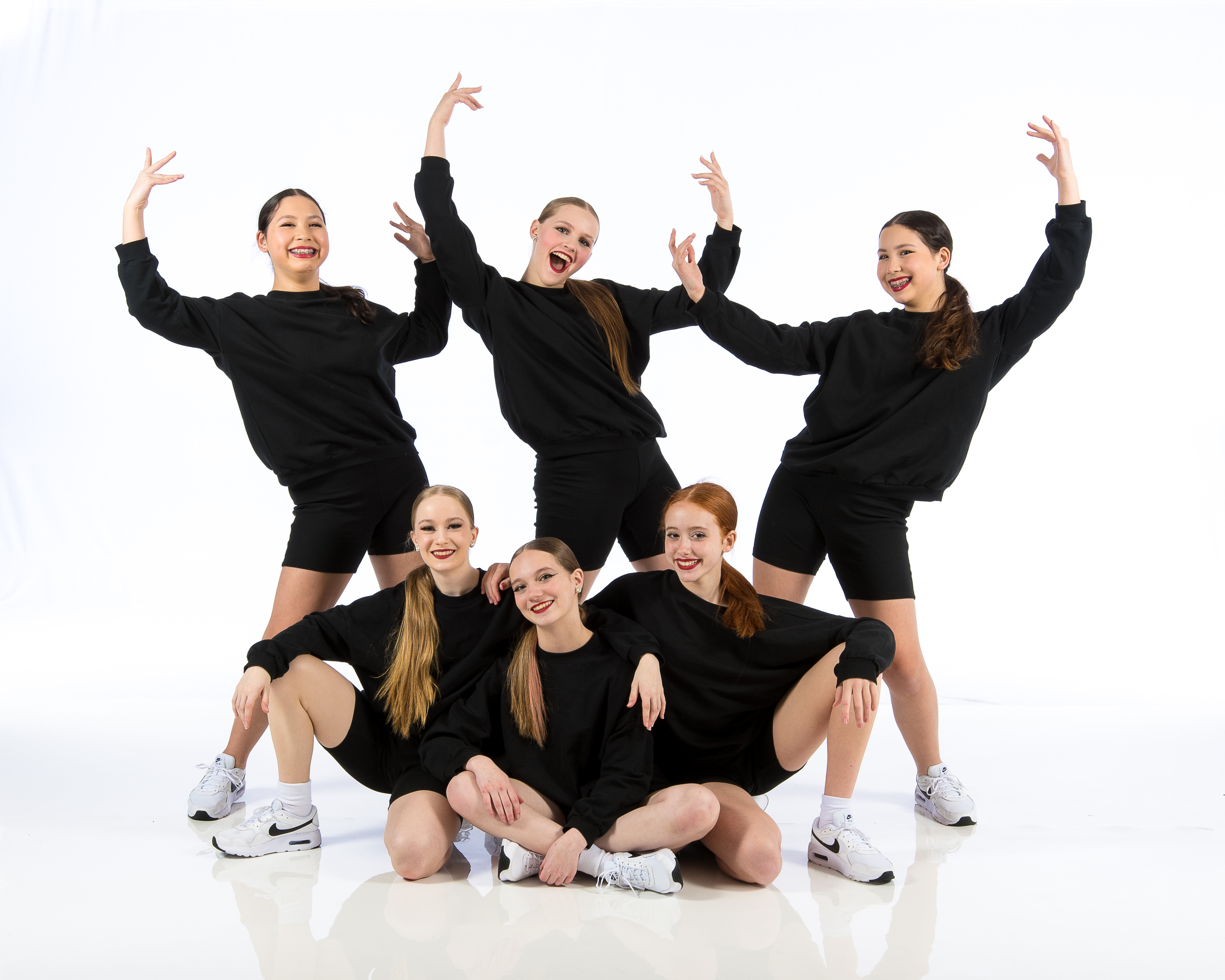
Intermediate Dance Studio Decorum: Building Relationships
Respecting Individual Space in Class
Every professional dancer deserves their area throughout practice sessions. Avoid crowding others while exercising relocations or routines.
Why It Issues: Appreciating individual area promotes comfort and assists in far better learning experiences.
Listening Proactively Throughout Instructions
When an instructor is talking, it's essential to take note. Active paying attention shows regard and helps you realize crucial concepts.
How To Show Active Listening:
Maintain eye call with the instructor. Nod when appropriate. Ask clarifying concerns if needed.Advanced Dance Studio Etiquette: Boosting Your Experience
Providing Positive Responses Wisely
As you expand more seasoned, sharing responses enters into the society. However, strategy this gently:
Focus on specific movements rather than general critique. Offer pointers only if obtained by peers.
Encouraging Others: Building Area Spirit
Support your fellow dancers with motivation:
- Compliment their initiatives genuinely. Celebrate their accomplishments openly.
Mastering Dance Studio Rules: Important Tips for Beginners and Pros Alike-- The Teachers' Perspective
Understanding Teacher Expectations
Instructors normally have details assumptions relating to actions in course. Familiarizing yourself with these can considerably enhance your understanding experience:
Listen attentively when they speak. Follow directions precisely. Give your best effort throughout every session.Building Connection with Your Instructor
Establishing a great relationship with trainers can be valuable for your development as a dancer:
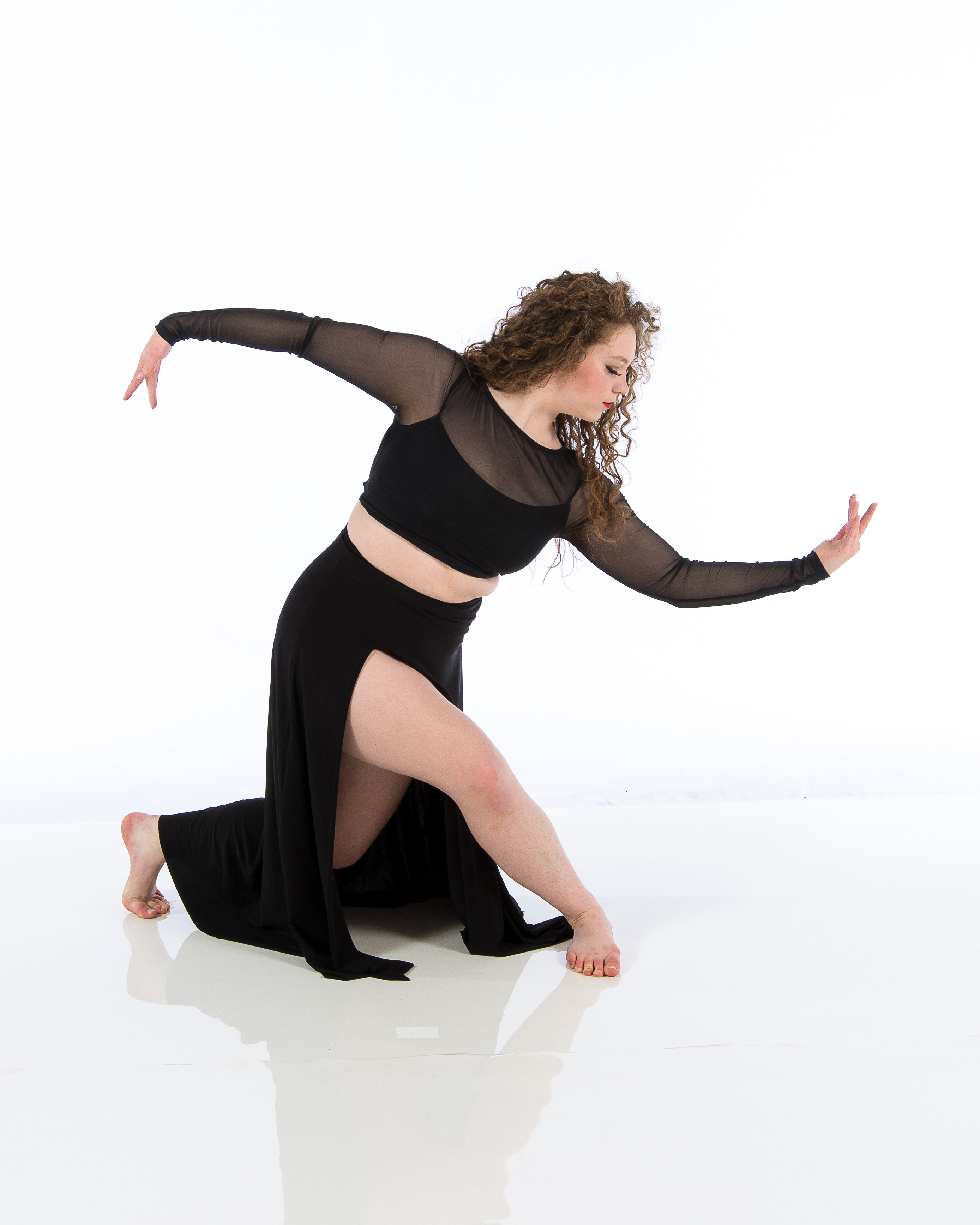
- Ask concerns associated with choreography or technique after class. Thank them for their support post-class; admiration goes a lengthy way!
Handling Dispute Gracefully in the Dance Studio Environment
Dealing with Disagreements Among Peers
Conflicts might occur within any kind of group setting; recognizing how to manage them with dignity is important:
Approach the individual independently without escalating tension. Use "I" statements rather than "you" statements (e.g., "I really felt overlooked when ...").Addressing Problems with Teachers Professionally
If you have worries relating to direction or classroom dynamics:
Request a private meeting after class hours. Express your feelings constructively focusing on options instead of complaints.The Role of Non-Verbal Interaction in Dancing Studios
Understanding Body Language Signals
Dance inherently includes non-verbal communication; recognizing just how body movement functions in this context is essential:
Positive body movement (e.g., open stance) cultivates connection. Negative signals (gone across arms) may share defensiveness or disengagement.
Using Eye Call Properly Throughout Classes
Maintaining eye contact with teachers shares attentiveness while also aiding build connection among peers throughout group performances!
FAQs
Q1: What ought to I use for my very first dancing class?
A1: Opt for comfy garments that enables complimentary movement-- yoga pants Dance Academy or leggings coupled with a fitted leading works well!
Q2: Is it okay to miss out on classes occasionally?
A2: Life occurs! Inform your teacher ahead of time ideally; they'll appreciate your consideration.
Q3: How do I deal with sensation timid around various other dancers?
A3: Start little-- introduce yourself individually before expanding interactions progressively as experience grows!
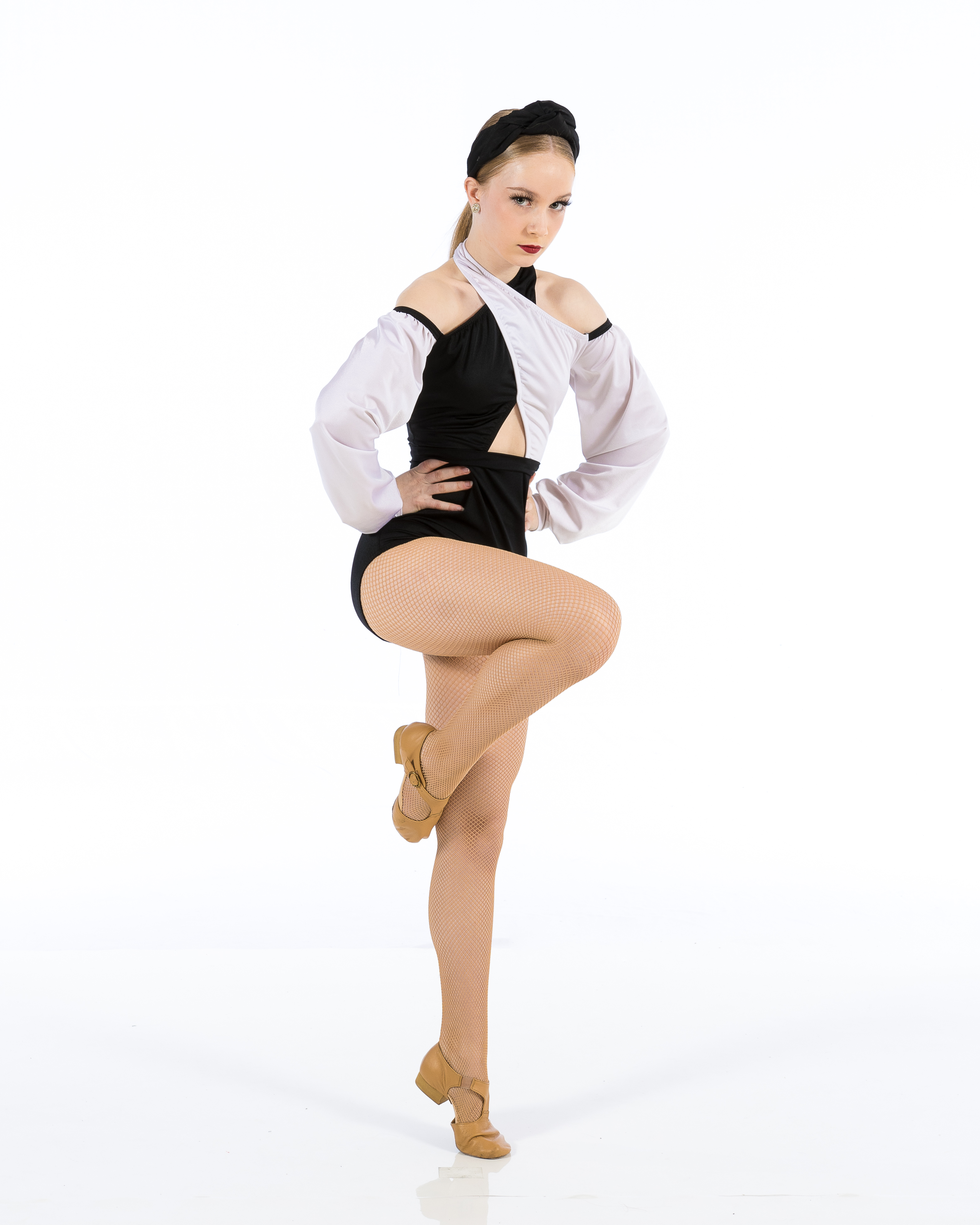
Q4: Can I bring close friends along to observe classes?
A4: Most workshops choose prior plans; consult monitoring first so they're aware of extra attendees!
Q5: What happens if I disagree with a teacher's feedback?
A5: Approach them pleasantly post-class; reveal sensations utilizing "I" statements focusing on positive dialogue rather than confrontation!
Q6: Need to I join efficiencies even if I'm new?
A6: Definitely! Getting involved boosts self-confidence-- speak up pertaining to any kind of hesitations so holiday accommodations can be made accordingly!
Conclusion
Mastering dance studio etiquette isn't nearly complying with guidelines; it has to do with growing an improving environment where everyone feels valued and motivated-- whether you're simply starting or improving advanced strategies as a skilled pro! By sticking closely to these crucial ideas laid out below under Mastering Dance Studio Rules: Crucial Tips for Beginners and Pros Alike, not just will you enhance your own experience however likewise contribute positively in the direction of supporting an inviting community within each dance studio you elegance with your presence! So take these understandings ahead right into every studio area you get in-- and allow the rhythm lug you towards excellence!