Introduction
Dance is an art kind that goes beyond obstacles, joins areas, and ruptureds with the vigor of human expression. Whether you're a budding professional dancer entering a dance studio for the first time or an experienced entertainer seeking to refine your craft, comprehending dance studio rules is crucial for guaranteeing a positive experience. This substantial overview titled From Newbie to Professional: Browsing Dance Studio Rules for an Unified Experience will certainly take you through every element of dance studio behavior, giving insights that will certainly boost your experience and foster more powerful relationships within the dancing community.
Understanding Dance Studio Etiquette
What is Dance Studio Etiquette?
Dance studio decorum refers to the set of customs and social norms that control habits in a dancing classroom setting. Similar to any other artistic environment, valuing these guidelines can improve not only your learning experience yet likewise that of your peers.
Why is Dance Studio Etiquette Important?
Adhering to proper etiquette assists create an atmosphere of regard, emphasis, and cooperation. It cultivates a feeling of community and permits professional dancers to support each various other in their development while decreasing distractions during class.
From Newbie to Specialist: The Significance of First Impressions
Preparing for Your First Class
Walking into a dance studio for the very first time can be stressful. To make a remarkable first impression:
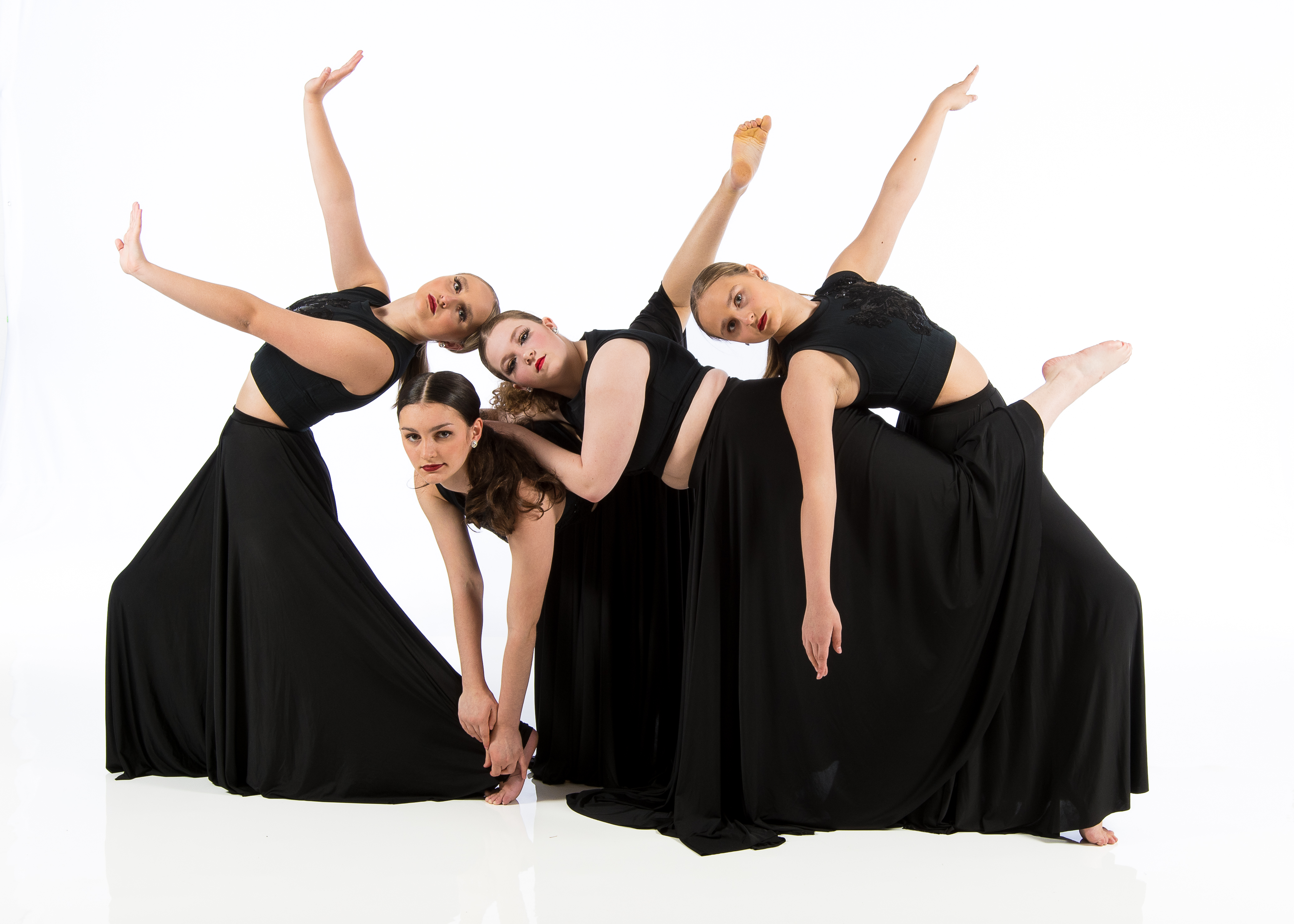
- Dress suitably: Wear comfortable attire appropriate for the sort of dance you're studying. Arrive early: Purpose to come to least 10-- 15 minutes before class starts. This provides you time to check in, heat up, and resolve in.
Greeting Your Instructor
A friendly greeting collections the tone for your experience. Constantly present yourself if it's your excellent! A simple "Hello" or "Good morning" can go a long way in developing rapport.
Classroom Conduct: The Do's and Do n'tshtmlplcehlder 46end.
Do's: Positive Behaviors
Be Respectful: Respect every person's personal room-- specifically when exercising moves. Listen Proactively: Show listening when teachers are talking; it reveals you value their guidance. Support Your Peers: Encourage fellow dancers; positivity types encouragement.Don'ts: Negative Behaviors
Avoid Interruptions: Keep personal conversations outside the classroom. Don't Use Your Phone: Silence your phone throughout course; it's disruptive. Refrain from Interrupting: Wait till the instructor coatings prior to asking questions.The Function of Individual Room in Dancing Studios
Understanding Boundaries
Personal area differs from person to person, especially in a dance setting where physical distance is frequently required throughout practice routines.
Communicating Comfort Levels
If you feel uncomfortable with exactly how close one more professional dancer is obtaining throughout partnered workouts or developments, it's important to interact this pleasantly and professionally.
Maintaining Professionalism and trust: Gown Code and Grooming
Importance of Appropriate Attire
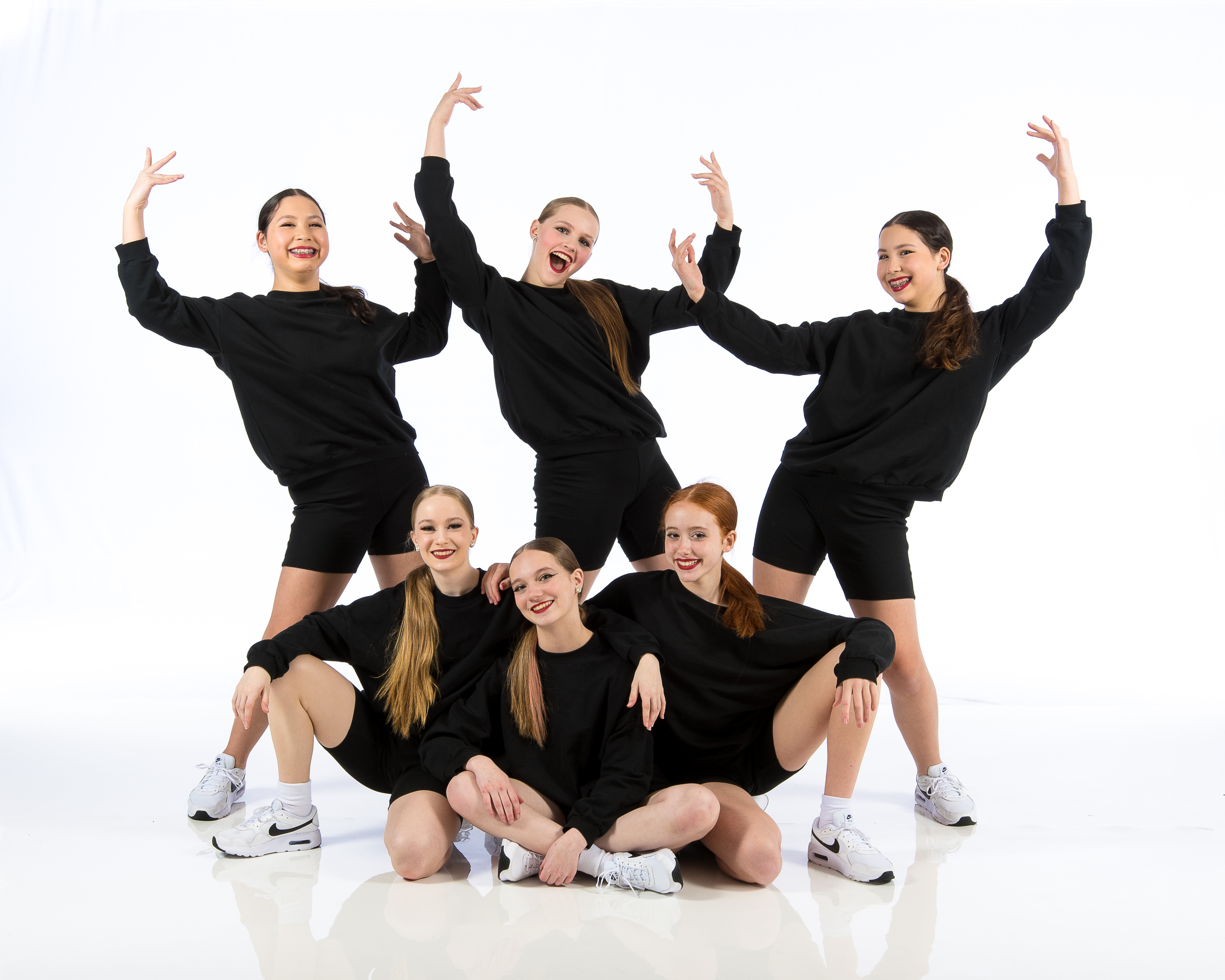
Each dance design commonly has its own outfit code-- whether it be leotards for ballet or loose-fitting clothing for hip-hop courses-- adhering to these criteria shows respect for both your craft and your instructor.
Personal Health Matters
Dancing calls for physical effort, which can cause perspiration. Ensure you preserve excellent hygiene by bathing before course and wearing clean attire.
Behavior During Class: Concentrating On Learning
Engaging with Instruction
It's crucial to stay focused during demonstrations. Rather than just watching, proactively engage by picturing how you would execute each movement.
Asking Concerns Appropriately
Curiosity improves discovering! If something isn't clear, do not hesitate to ask inquiries-- but guarantee they matter and presented at appropriate times (ideally after guidelines).
Feedback: Accepting Positive Criticism
Accepting Responses Gracefully
Constructive objection is part and parcel of development in any kind of art form. Welcome responses with an open mind and avoid becoming defensive; keep in mind that review aims to help boost your skills!
Offering Responses Thoughtfully
When providing feedback to peers, guarantee it's positive instead of critical; concentrate on what they succeeded along with areas for improvement.
Creating Harmony Via Teamwork
The Significance of Group Spirit
In many dance designs, team effort plays an essential role; developing camaraderie with fellow professional dancers leads to improved performances.
Collaborating Throughout Team Exercises
When involved in team projects or choreography methods, urge creative thinking by respecting everyone's ideas while additionally adding your own constructively.
Handling Problems Gracefully
Addressing Arguments Maturely
Conflict may arise because of misunderstandings or differing viewpoints on choreography choices. Tackle these problems independently as opposed to publicly broadcasting complaints which could interfere with course harmony.
Seeking Mediation When Necessary
If disputes escalate past personal resolution efforts-- seek guidance from instructors who can mediate efficiently based on their experience managing comparable situations.
Post-Class Decorum: Leaving on an Excellent Note
Thanking Teachers After Class
Always reveal thankfulness in the direction of your instructor after lessons; this reinforces positive partnerships while recognizing their hard work!
Keeping the Studio Clean
Whether it's picking up water bottles or nicely preparing props post-class-- preserving sanitation shows respect for shared spaces made use of by all dancers!
Engaging Beyond Class Time: Structure Area Relationships
Joining Social Events
Participate in get-togethers arranged by studios such as showcases or open homes-- these events supply opportunities for networking while boosting neighborhood ties outside structured lessons!
Supporting Fellow Dancers' Performances
Attending peers' efficiencies shows solidarity within the dance area-- it motivates engagement beyond mere attendance at classes!
Frequently Asked Concerns (Frequently asked questions)
1. What should I wear for my very first dance class?
Select comfortable clothes ideal for the details design you're taking (e.g., leotards for ballet). Constantly ask about gown codes beforehand!
2. Is it alright to chat during class?
It's ideal practice not to participate in side conversations during instruction as this distracts both trainers & & fellow students alike!
3. Just how do I handle sensation overwhelmed?
Take deep breaths & & advise yourself that every professional Get more information dancer started somewhere! Interact any have problem with teachers that may supply extra help if needed!
4. What if I differ with choreography choices?
5. Should I bring water right into the studio?
Absolutely! Remaining hydrated boosts performance degrees; just guarantee containers are firmly closed so spills don't happen on floors where others are dancing!
6. Exactly how vital is punctuality?
Preparation is important as arriving late interferes with concentration levels while creating disturbances; objective always arrive early enough permitting time warm-up appropriately before courses commence!
Conclusion
Navigating through a dance studio environment can appear intimidating in the beginning glance however understanding proper etiquette eventually changes one's journey from novice standing toward experienced degree artistry! By sticking closely well established behaviors detailed throughout this guide labelled From Novice To Expert: Browsing Dance Studio Etiquette For An Unified Experience *, you'll cultivate indispensable friendships within areas enriched creativity while honing technological expertise alongside respected mentors! So shoelace up those footwear with confidence tip onto that flooring-- the globe awaits your unique expression with movement!